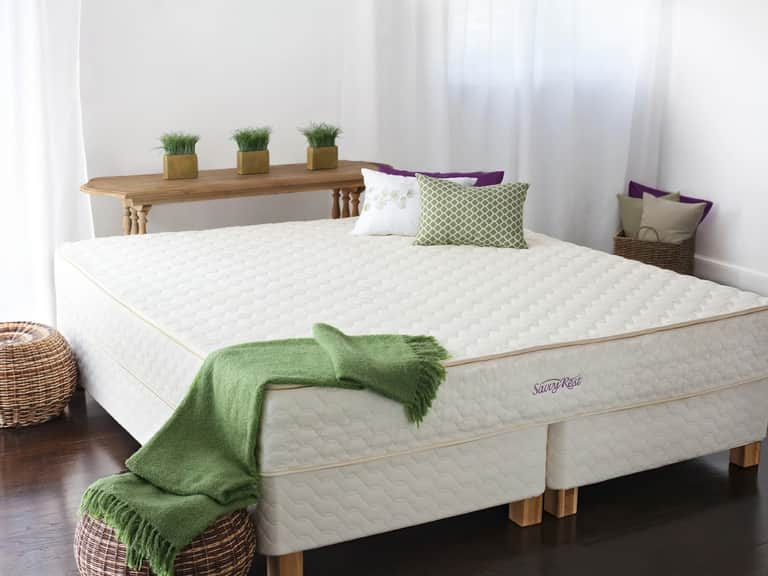
Natural latex mattresses offer a resilient, buoyant sleep surface that conforms to body contours while maintaining support and pressure relief. Derived from renewable rubber tree sap, these mattresses often feature certified organic or natural latex layers, which can enhance indoor air quality and reduce exposure to synthetic materials in bedding ecosystems. Key characteristics include durability, breathable comfort, and minimal motion transfer for undisturbed rest.
A prominent example in this category is the Savvy Rest Serenity Latex Mattress, which integrates layered natural latex for customizable firmness options. The design emphasizes zoned support and a balanced feel, promoting correct spinal alignment and reduced partner disturbance. Users typically experience consistent performance over time, thanks to robust latex resilience and thoughtful layer configuration.
Understanding latex mattress construction helps with informed choices about comfort and longevity. Core features often involve natural Dunlop or Talalay latex, with varying firmness profiles to suit side, back, or combination sleepers. Optional organic cotton or wool covers can enhance breathability and regulate microclimate, supporting a healthier sleep environment overall.
Use cases for natural latex mattresses center on allergy-conscious and eco-minded preferences, as many models avoid volatile chemicals and off-gassing associated with synthetic foams. The material’s open-cell structure promotes airflow, aiding heat dispersion. This makes latex mattresses suitable for year-round comfort in diverse climates and sleeping styles.
The broader category addresses related bedding components such as pillows, sheets, duvet covers, and organic mattresses, forming a cohesive system for mattress longevity and comfort. By examining product features, users can evaluate firmness options, cover materials, and certifications, aligning selections with health, sustainability, and ergonomic sleep goals.
 Mattresses