Wool comforters blend natural insulation with moisture-wicking properties to create a balanced sleeping environment. This category highlights the performance of high-quality wool fillings, noted for temperature regulation, breathability, and durability. Understanding fiber structure helps explain why wool adapts to seasonal changes while maintaining comfort through varying climate conditions.
Key features to consider include fill weight, loft, and fiber origin. Wool comforters often use responsibly sourced, organic wool that promotes long-lasting loft and resilience. The natural crimp of wool traps air for warmth without overheating, supporting restful sleep and reducing night-time disruption caused by overheating.
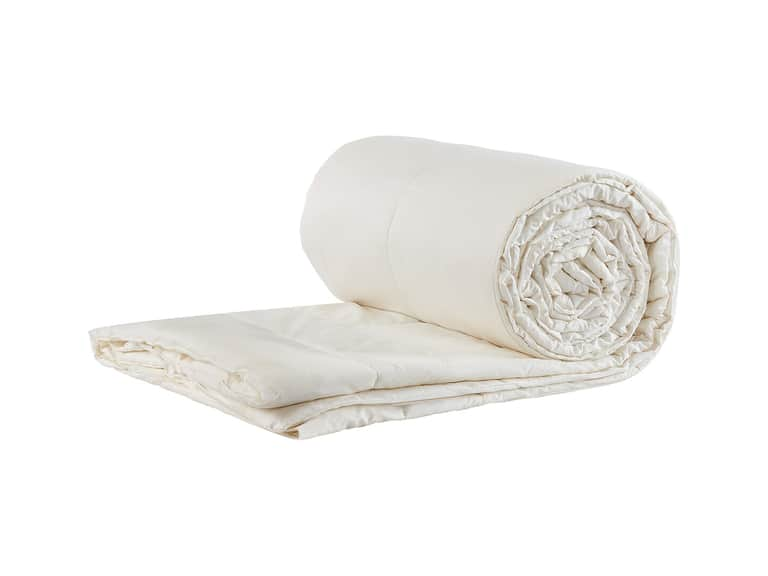
Notable products in this category include Sleep and Beyond myComforter, which combines a generous wool fill with a breathable outer fabric to sustain even insulation. The Sleep and Beyond myComforter Light offers a lighter alternative, prioritizing a cooler sleeping experience while preserving the tactile softness and moisture management inherent to wool.
Functional benefits extend to allergy considerations and ease of care. Wool fibers resist dust mites and microbial growth when properly enclosed, and many wool comforters are machine-washable on gentle cycles or require professional cleaning, depending on construction. Proper care helps maintain loft, shape, and thermal performance over time.
In selecting wool comforters for bedding, consider practical aspects such as duvet compatibility, fabric weave, and edge construction. For sustainable bedding practices, pairing wool comforters with organic mattresses, breathable sheets, and appropriate pillow support can optimize overall sleep quality and climate-neutral comfort in a bedroom environment.
 Bedding